SKILLS FACTORY, Samos – humanitarian emergency aid combined with a long-term approach
In the closed refugee camp (CCAC) on the Greek island of Samos, thousands of displaced people live under devastating conditions — lacking water, food, medical access, safety, and social connection. For months or even years, many are denied the chance to pursue meaningful activity or take an active role in their lives.
In the SKILLS FACTORY, we produce humanitarian aid ourselves: by hand. locally. sustainably. independently. honestly.
This is where the SKILLS FACTORY comes in: The SKILLS FACTORY combines urgent humanitarian aid with a sustainable, long-term approach. It fosters self-efficacy, dignity, and future employment prospects – both on the island and beyond.
Our Workshops
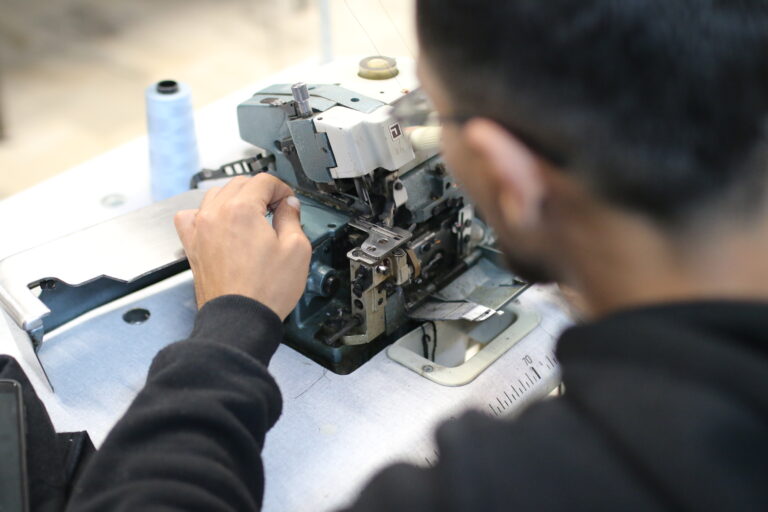
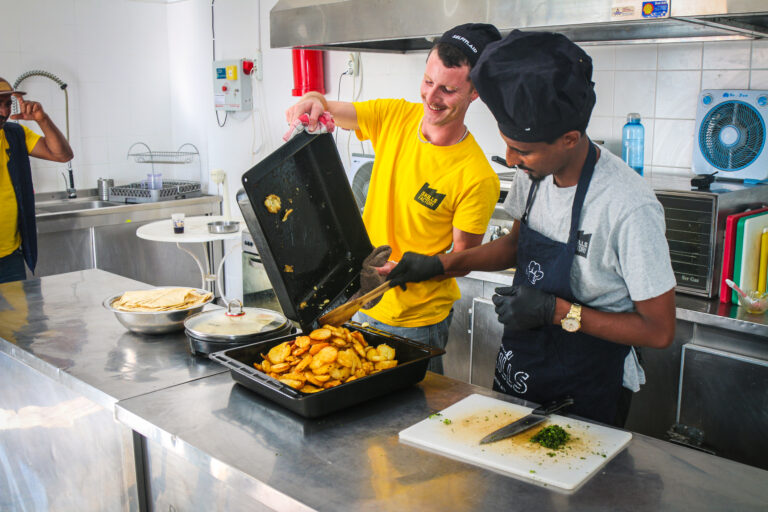
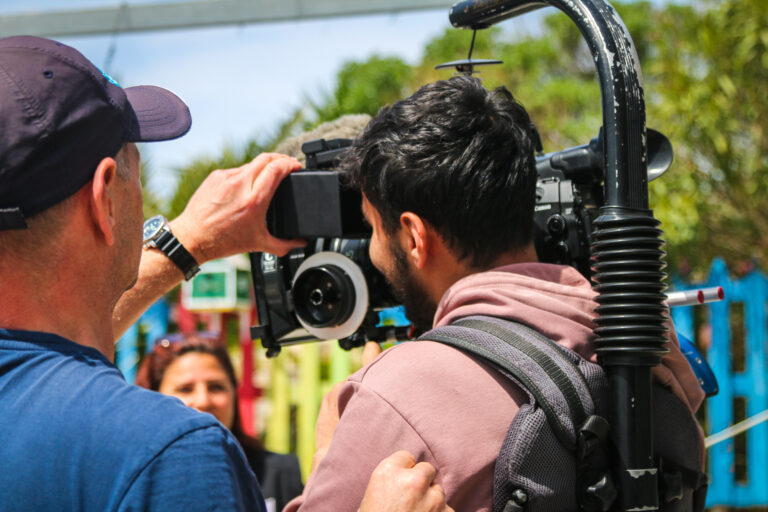
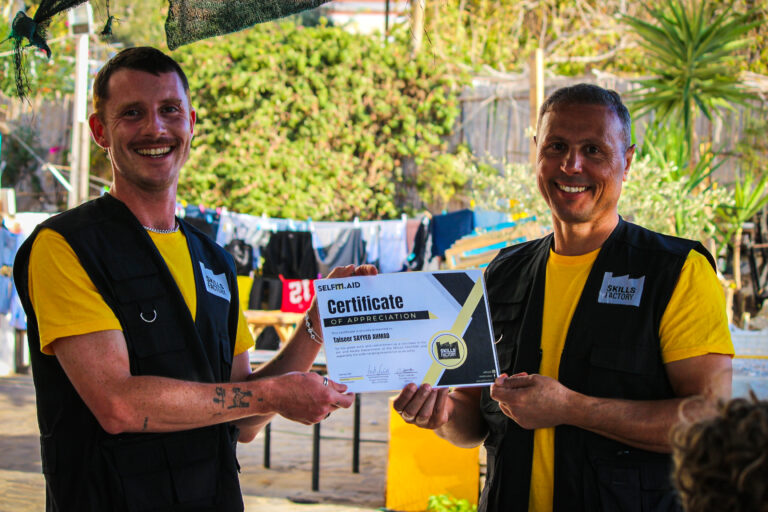
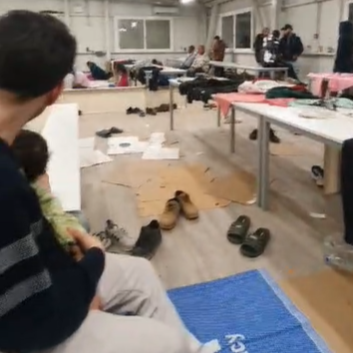
In six hands-on workshops – including tailoring, kitchen, maintenance, media, barber, and laundry – asylum seekers and refugees work side-by-side with local and international professionals to produce essential items and services that directly improve everyday life.
At the same time, participants follow a structured, three-level training program that builds practical, social, and leadership skills. This is how we break the cycle of dependency.
Tailor Workshop
SKILLS-Kitchen
Media Department
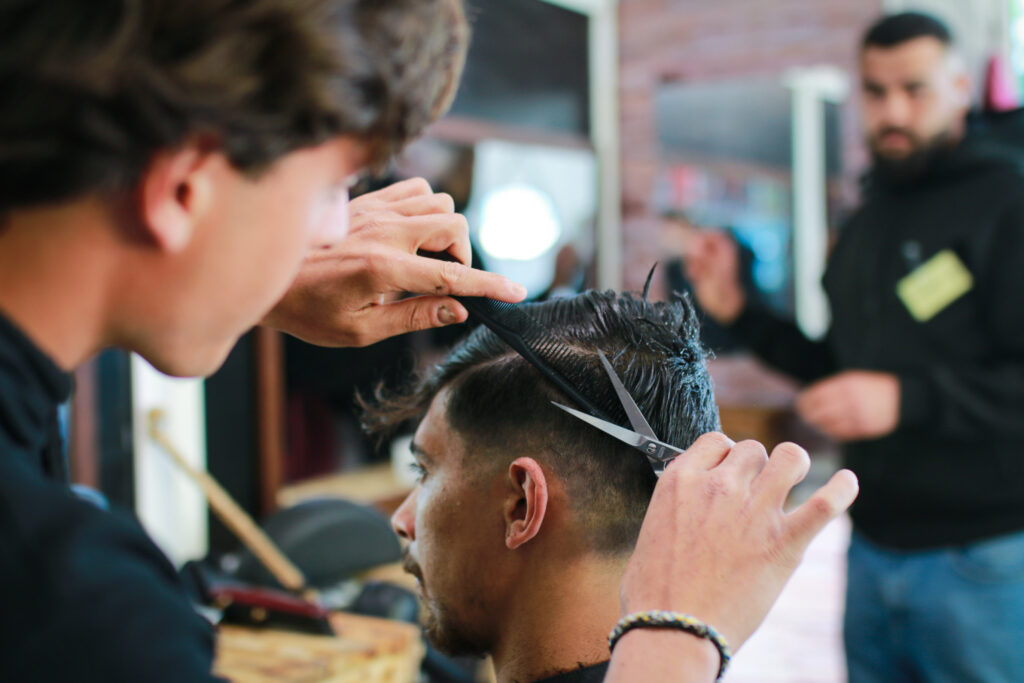
Barber-Workshop
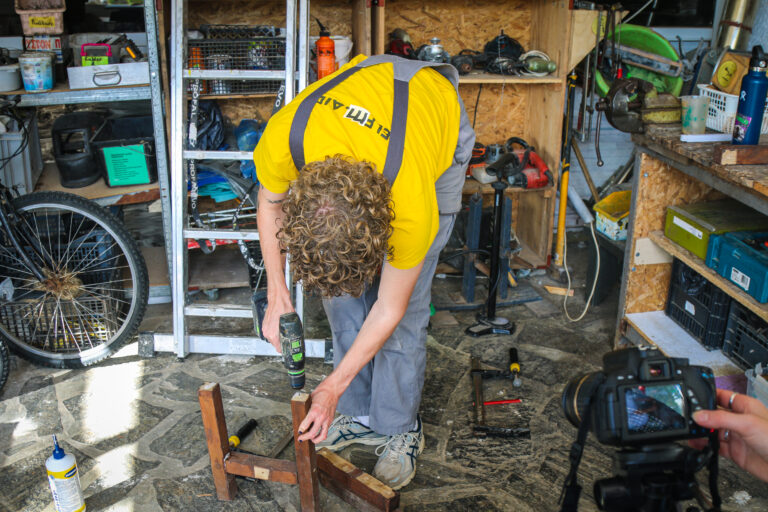
Maintenance
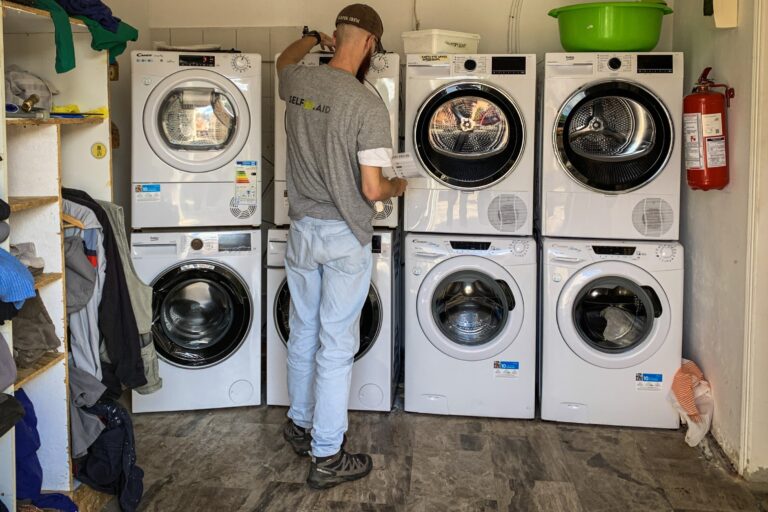
WASH-Project
SKILLS-Connect
Our impact
Gaps in the support system are covered by the community itself.
Positive influence on the living conditions of the refugees in the camp as well as the locals in need.
Improved mental health through daily structure, meaningful tasks and responsibility .
Self-empowerment and strengthening of identity through investing in professional identity, providing a space for people to develop and demonstrate their skills.
Improved opportunities for labor market integration in Greece or the EU
The interest in handicraft builds bridges between people and cultures.
Use of local products promotes local agriculture
Reduction of waste pollution and imports and thus of the outflow of money from the island.
Context
The Situation on Samos
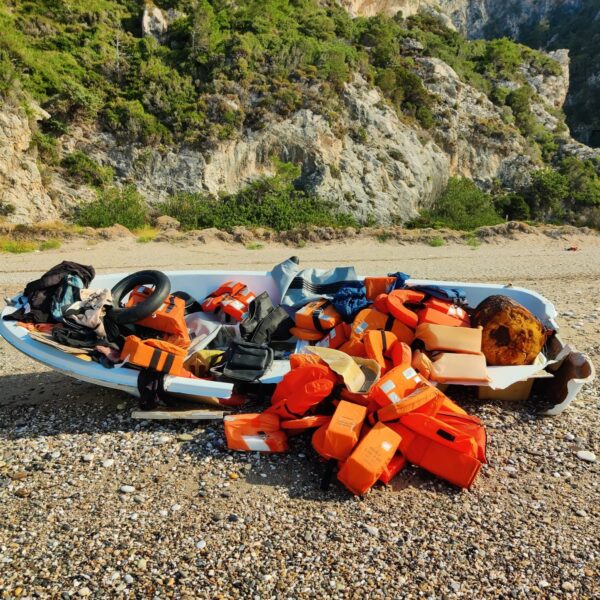
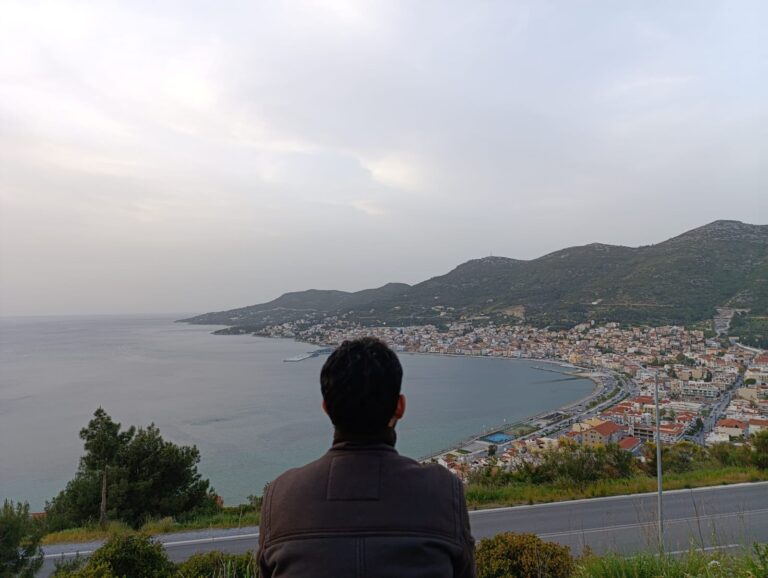
The Greek island of Samos has been at the heart of a severe humanitarian crisis for years, intensified by ongoing refugee movements from Asia, Africa, and the Middle East. By 2024, Samos had become the primary entry point for people seeking asylum in Greece, placing immense pressure on local infrastructure and drastically worsening conditions in the refugee camp. Despite repeated assurances from the Greek government that the new “Closed Controlled Access Center” (CCAC) would improve living standards, the facility remains largely unfinished and functionally inadequate. Camp residents live in extreme isolation and face unlivable conditions, with serious consequences for both their physical and mental health. (MSF in ANSA, 2021).
The Escalation of the Crisis in Autumn 2023
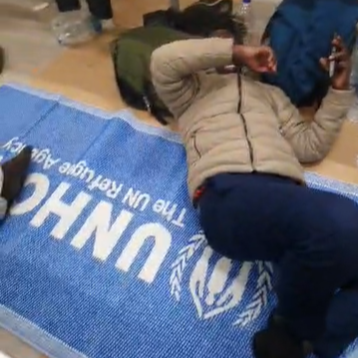
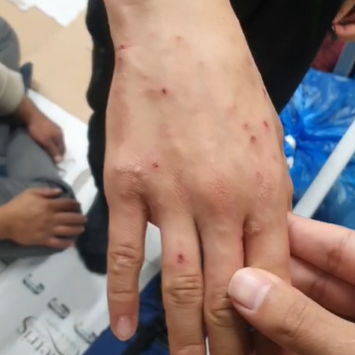
In the autumn of 2023, Samos witnessed a dramatic surge in the number of people arriving in search of safety. Within just a few weeks, the population in the camp rose from 656 to 4,504 residents — an increase of more than 650%. Despite this sharp influx, no adequate support was mobilized to meet the growing needs. People have been forced to live in dangerously overcrowded and incomplete shelters, without reliable access to food or sanitation. Reports of water shortages, spoiled food, and outbreaks of conditions such as scabies and lice are common.
Many of those seeking asylum endure these unbearable conditions for months, sometimes even years, while waiting for decisions on their applications. This prolonged uncertainty fosters widespread despair and takes a significant toll on mental healthAmnesty International, 2024).
The "Closed Controlled Access Center" (CCAC): A Symbol of Failed Solutions
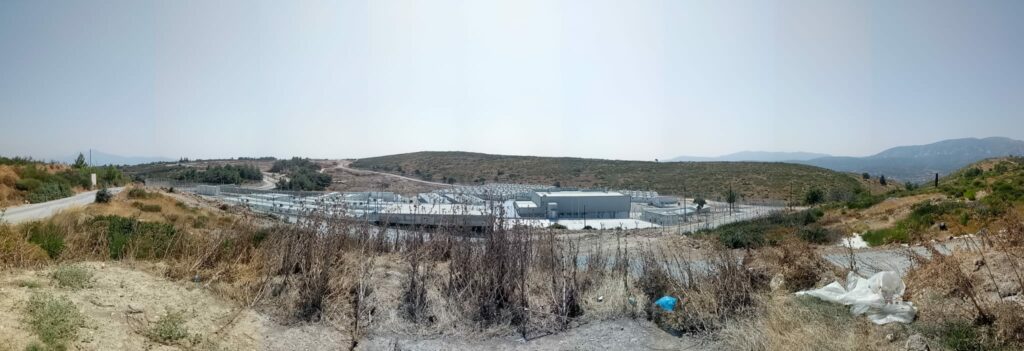
In September 2021, the new refugee camp on Samos - a project funded by the European Union - was inaugurated with the promise of improving living conditions for displaced people. In practice, however, the facility bears closer resemblance to a high-security prison. Located far from urban areas, isolated between hills, surrounded by tall fences and guarded entry points, the camp has become a place of confinement and prolonged waiting.
It remains incomplete, with inadequate hygiene infrastructure and insufficient services. Newly built kitchens often do not function, and food provision is both insufficient and unreliable. Many residents are forced to endure these harsh conditions for up to two years, with no clear solution in sight.
Existing support structures and their gaps
With the opening of the new refugee camp, far away from the small town of Vathy, many of the formerly active NGOs left the island.
Those who stayed still take on essential tasks, from health care to informal schooling for all age groups, clothing and food distribution for particularly vulnerable groups, to legal advice and psycho-social support.
But most of the organizations operate in or at the new camp without offering an alternative to the isolation. There are hardly any offers for the men in the camp, who usually make up 75% of the total refugee population.
“Everything on this island is for children and women - except for the condoms »
Feedback by a male resident.
Within the few existing services, they find themselves in the role of “takers”, mostly waiting and queuing to receive handouts. There is hardly any possibility for the asylum seekers to take active themselves and change something about the situation.
Men - the overlooked vulnerable group
Single traveling men are often perceived as strong or even dangerous and they are treated accordingly by the community and authorities. This perception often undermines their vulnerability since being alone exposes them to unique dangers. Not only is there a lack of familial support in these difficult, often traumatic living conditions, but many men are additionally under the pressure of the expectation to be successful in Europe and to support their family from afar. Without the support of their families, single traveling men are exposed to a greater risk of developing mental illnesses, have an increased risk of aggression (against themselves or against others), drug consumption or addiction (Europe Must Act, 2020, S. 44).
Additionally, men who have fled with their family are suffering from the loss of their traditional role model and identity as protectors and providers of their families, neither of which they can guarantee in such an environment. Instead, they are forced to stand in line for hours to receive help. This shift in roles (from provider to recipient) can lead to serious identity crisis, due to the feeling of not being able to meet the gender-based expectations to be the head of the family, as suggested by Turner in the report «UNHCR is a better husband» .
Impact on the local community on Samos
Samos has been struggling for years with the economic consequences of an aging population, youth outmigration, and a slow recovery from the COVID-19 pandemic.
A growing number of young people are leaving the island, leading to a steadily aging society. At the same time, agriculture — traditionally a key economic pillar — is under significant pressure. Cheap imports and the lack of a younger workforce threaten the survival of many local farms.
As a result, the island has become increasingly reliant on tourism as its primary source of income. However, the tourism sector was hit hard by the COVID-19 pandemic. Many local businesses were forced to shut down, and the industry is only now beginning to recover.
The economic impact was particularly severe in the immediate aftermath of the pandemic, when Samos, like many other islands, experienced a dramatic drop in visitor numbers. (Euro.News, 2019).
Most of the relief aid for Samos is produced on the mainland or abroad and is shipped to the small island by the ton. Every week, shipping containers full of frozen and prepacked food portions, clothing donations, hygiene products, fruits, vegetables, baby foods in plastic bags, plastic bottles and cheap snacks from discounter markets end up in the camp while the aid money flows back abroad.
The local community is barely involved in the production and the restaurants are empty, especially since the outbreak of the pandemic. Some of the local farmers even ceased the cultivation of their fields because they cannot compete with the low prices of low-cost discounters, such as Lidl.
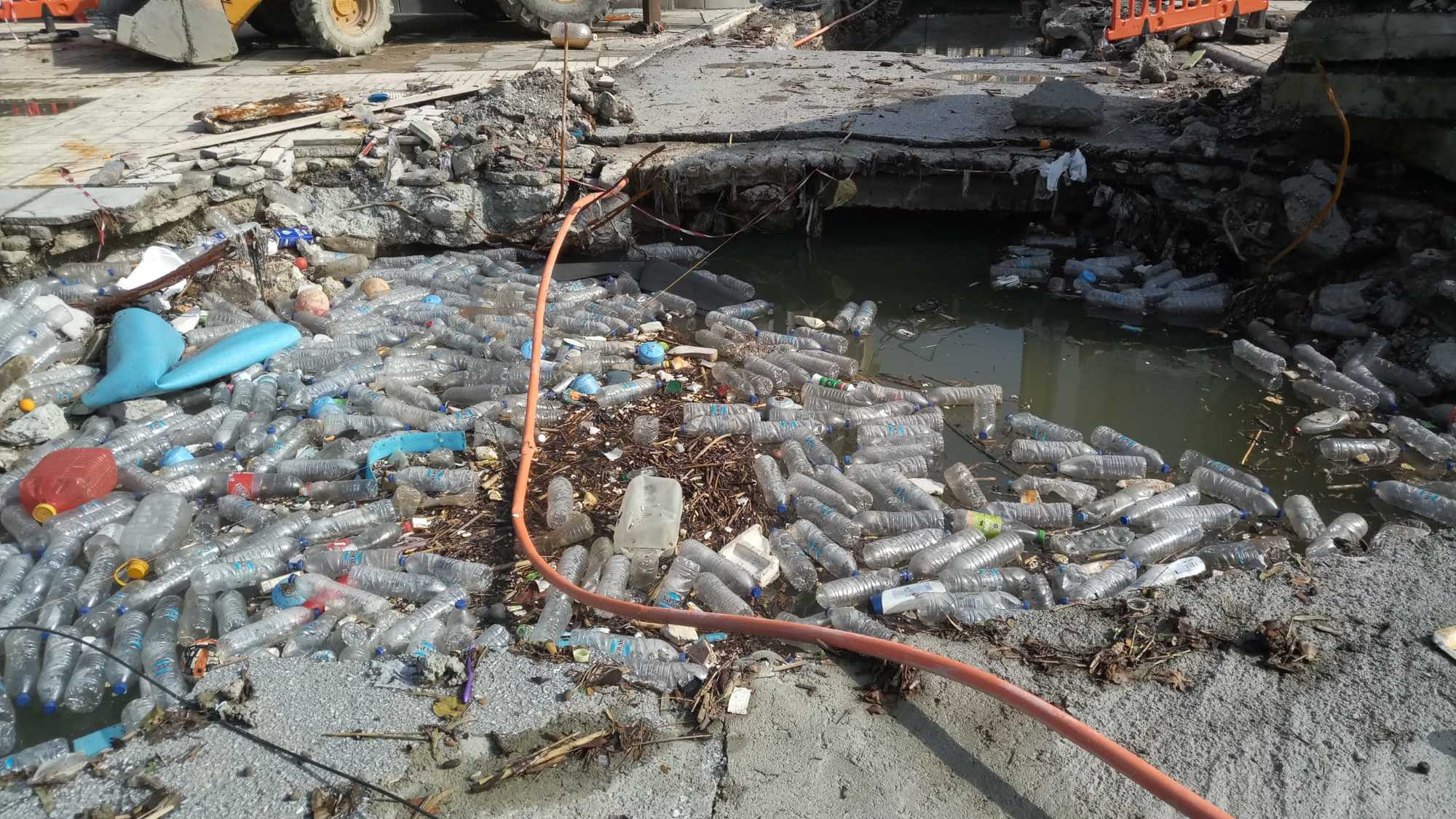
Another burden for the island arises from the packaging of the auxiliary materials and the resulting waste. In the camp alone, meals and several water bottles are distributed to the 3,500 people every day, all wrapped in plastic or aluminium trays that are not properly disposed of (Mayer, 2020).
Global Perspectives and Long-Term Solutions
Recognizing the link between climate change and the refugee crisis, the NGO selfm.aid advocates for a holistic approach that goes beyond short-term humanitarian aid.
Lasting impact can only be achieved through sustainable, locally rooted solutions that build on existing resources and empower local communities.
This is precisely the vision behind the SKILLS FACTORY: to strengthen local networks and develop innovative approaches that address both the humanitarian crisis and the economic and social pressures faced by the island’s residents.
Only strong, local communities will be capable of addressing the global challenges of both the present and the future.